


Mar 11, 2026 /
Safety & Prevention
By Tyson Thomas, FNP-C / Draper
Game Ready: How to Prevent Sports Injuries in Children
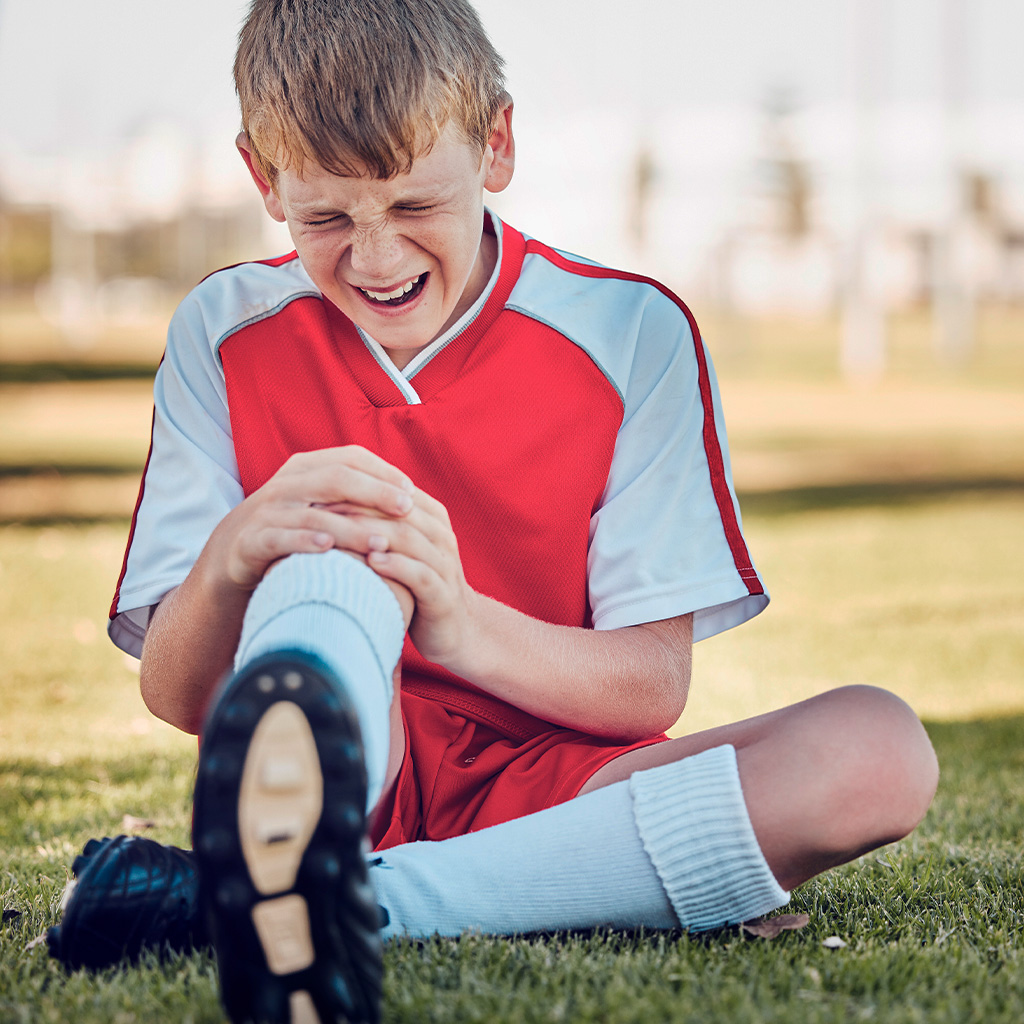
It’s a Saturday morning. The sidelines are full, and your child is ready to play. Then, suddenly a fall, a limp, and tears. Sports injuries are common, but the good news is many of them are preventable. Sports should build confidence, friendships, and lifelong healthy habits, not sideline kids with injuries. Here are some tips to keep your athlete safe and active all season long.
Even healthy kids benefit from a yearly sports physical before the season begins. It’s important to visit your pediatrician before starting any sport, not only to complete required paperwork, but to identify potential concerns such as heart conditions, asthma, or prior injuries that could increase risk.
Sports physicals are also a great opportunity to discuss:
It can be devastating for a child when they miss a season due to a sprain, strain, or growth plate injury. Unfortunately, many of these injuries are related to inadequate warm-up, poor conditioning, or overuse.
The keys to preventing these injuries are:
Warm-ups and stretching are important for children of all ages and at every level of sport.
Every sport has protective equipment for a reason! Helmets, mouthguards, shin guards, pads, and proper footwear all reduce injury risk.
Proper fit is essential for protective equipment to be effective. Children grow quickly, so it’s important to check fit each season. Equipment that is too loose, too tight, or worn out may not provide the protection it’s designed to provide and can increase injury risk. If it doesn’t fit, it doesn’t protect.
Kids don’t get stronger during practice. They get stronger during recovery. In addition, sleep deprivation increases injury risk and slows healing. Making sure your athlete gets enough sleep is one of the most powerful injury-prevention tools.
Recommended Sleep
| Children | Teens |
|---|---|
| 9-12 hours per night | 8-10 hours per night |
Rest also means taking breaks between sport seasons. Year-round single sport participation increases the risk of overuse injuries like runner’s knee and Little League Shoulder.
If an injury does happen, it’s important to know when to seek care because early treatment can make a big difference in your child’s recovery. If you’re unsure whether your child needs to be seen, it’s okay to call your pediatrician for guidance.
Head injuries are one of the biggest concerns in sports. A concussion can occur even without a loss of consciousness, and symptoms may not appear immediately. After a head injury, watch if your child experiences:
| Symptoms | |
|
|
| What To Do | |
|
|
When it comes to concussions, the rule is simple: when in doubt, sit them out. Returning to play too soon can increase the risk of more serious injury and prolonged recovery.
Other injuries that need evaluation by a medical provider include:
With proper preparation, equipment, and recovery, most sports injuries can be prevented. When injuries do occur, most children recover well with proper care and a safe return to activity.
The goal isn’t just raising great athletes, it’s raising healthy kids who can safely enjoy the activities they love!
American Academy of Pediatrics. (2021). Preparticipation physical evaluation (5th ed.). American Academy of Pediatrics.
Milewski, M. D., Skaggs, D. L., Bishop, G. A., Pace, J. L., Ibrahim, D. A., Wren, T. A., & Barzdukas, A. (2014). Chronic lack of sleep is associated with increased sports injuries in adolescent athletes. Journal of Pediatric Orthopaedics, 34(2), 129–133.
Yeargin, S. W., et al. (2020). Prevalence and causative factors of improperly fitted helmets in youth football leagues. Journal of Athletic Training.
©2026 Wasatch Pediatrics